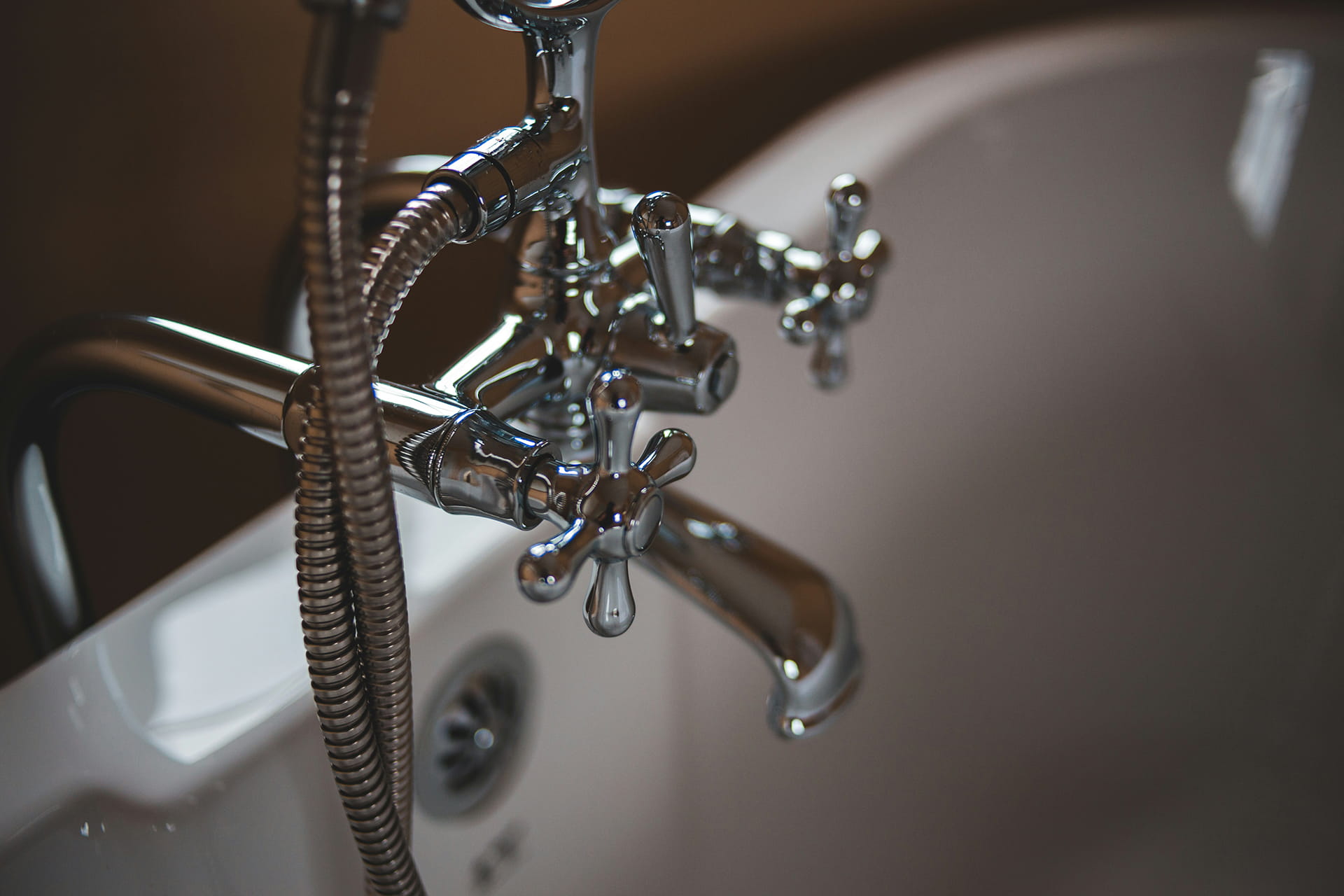


A proper plumbing maintenance checklist covers four things: drains, hot water, fixtures, and visible pipe work. Tick these off once a season and you’ll catch most problems early. Sydney’s climate means each season brings its own headaches, from summer storm surges to autumn leaf blockages, so a generic guide written for another state won’t quite do the job.
What does a plumbing maintenance checklist actually include?
Home plumbing breaks into a few clear areas: your drainage system (sinks, showers, toilets, stormwater), your hot water unit, supply-side stuff like pressure and pipe condition, and fixtures like taps, valves, showerheads, and toilets.
Most people only think about their plumbing when something’s gone wrong. That’s how a $200 drain clean turns into a $3,000 pipe relining job. A dripping tap can burn through 20,000 litres a year, and your Sydney Water bill will show it long before the drip gets any worse. The whole walkthrough takes about as long as a cup of tea.
Summer checklist: heat, storms, and high water demand
Sydney summers are hard on plumbing. Temps push into the high 30s, storms dump large volumes of rain in short windows, and outdoor water use spikes across the board.
What to check from November through February:
- Hot water system: test the temperature-pressure relief (TPR) valve by lifting the lever briefly. Water should flow and stop cleanly. If it keeps dripping after, the valve likely needs replacing. Check for rust around the base of the unit too.
- Stormwater drains: clear debris from grates before the storm season peaks. A blocked drain during a heavy downpour can flood your subfloor within minutes.
- Outdoor taps and hoses: high summer use wears washers out fast. Run each tap and check for drips at the spout and base.
- Water pressure: a sudden dip on a scorching day could be a Sydney Water network issue or a partially closed isolating valve somewhere on your property.
- Toilets: drop food dye in the cistern and wait 10 minutes without flushing. Colour in the bowl means the flapper valve is gone. That kind of silent leak burns through 300 litres daily before you even notice it.
If your property is in Cronulla, Ramsgate, or Brighton Le Sands, coastal salt air speeds up corrosion on external fittings. Check exposed copper or brass connections more closely in those spots.
Autumn checklist: leaves, roots, and the lead-up to winter
March through May is prime time for blocked drains across Sydney’s older suburbs. Suburbs like Hurstville, Bexley, and Sutherland have mature tree canopies that shed heavily. Roots that have been pushing toward pipes all year often show symptoms right around now.
What to check from March through May:
- Gutters and downpipes: clear leaf litter before it compacts. A blocked downpipe sends water behind your fascia boards and from there into subfloor areas.
- Floor wastes and outdoor drains: flush with a bucket of water. Slow draining or gurgling means a partial blockage is forming.
- Tree root signs near sewer lines: gurgling drains, slow-clearing toilets, sewage smells in the yard. Multiple slow fixtures at once usually means the blockage is in the main line, not a single fitting.
- Under-sink cabinets: open them up and look for moisture, staining, or mould on the base. Slow drips from compression joints are easy to miss until the cabinet floor is rotted through.
- Gas fittings: if you’re about to start using gas heating again, check that flexible hose connections to cooktops and heaters aren’t cracked or kinked.
If your home was built before 1980, particularly in older parts of the St George area or the Sutherland Shire, there’s a fair chance your sewer lines are still terracotta. These are more prone to root intrusion and cracking. A CCTV drain inspection every few years is money well spent on properties like that.
Winter checklist: pressure, hot water, and gas
Sydney winters are mild compared to Melbourne, but overnight temperatures in areas like Engadine and Sutherland can still drop to 3 or 4 degrees. Cold enough to cause condensation and, in exposed locations, the odd frozen pipe.
What to check from June through August:
- Hot water system: this is the season older units finally give up. If yours is 8 to 10 years old, get it serviced now rather than dealing with a cold morning callout. For gas hot water, check the flue is clear.
- Exposed pipes in subfloor areas: if you have an accessible subfloor, look for lagging that has slipped or broken down. Pipe insulation on cold water lines cuts condensation dripping onto subfloor timbers.
- Gas appliances: before running heaters daily, check around connections and pilot lights. A faint gas smell near an appliance means a call to a licensed gas plumber, not a wait-and-see approach.
- Water temperature at taps: weak hot water can point to a failing thermostat or sediment build-up cutting the tank’s capacity.
- Toilet seals: cold floors can make hairline cracks in toilet bases more visible. Check for moisture around the base after flushing.
True pipe freeze is rare across most of Sydney, but the Sutherland Shire and Georges River areas do get colder than the inner suburbs. Worth checking exposed outdoor pipe work if you’re in those spots.
Spring checklist: before the heat, and before renovations
September through November is peak renovation season in Sydney. It’s also when most property managers book their annual plumbing check, so any work done now is ready well before summer demand picks up.
What to check from September through November:
- Tap washers: a tap dripping once per second wastes roughly 10,000 litres a year. Work through the house and swap out worn washers before summer use ramps up.
- Shower pressure and flow: if your showerhead is clogged with mineral deposits, unscrew it and soak overnight in white vinegar. If pressure is still low after that, the issue is further back in the supply line.
- Sewer vent pipes: these run through your roof and can collect debris over winter. Blocked vents cause gurgling and slow drainage across multiple fixtures.
- Hot water temperature setting: NSW requires tempering valves on hot water systems serving bathrooms in residential properties, set to a maximum of 50 degrees Celsius. If you’re not sure whether your system has one, get it checked.
- Backflow prevention devices: if your property has an irrigation system or secondary water supply, the backflow preventer needs annual testing. Sydney Water requires this for most non-potable water connections.
Spring is also when bathroom and kitchen renovations kick off. If you’re planning work, get a plumber in to look at your existing supply and drainage before tilers or cabinetmakers start. Discovering a corroded copper branch line mid-renovation costs far more than finding it first.
Annual plumbing check: what a professional covers
A proper annual check by a licensed plumber takes around 60 to 90 minutes and covers things you can’t easily assess on your own.
- Drain flow and gurgle test – DIY possible; professional recommended if slow or gurgling
- Hot water TPR valve test – DIY possible briefly; professional recommended annually
- CCTV drain inspection – professional only; every 3 to 5 years for older pipes
- Water pressure test – rough gauge only DIY; professional if pressure seems off
- Gas leak detection – professional only; annually for gas homes
- Backflow prevention testing – professional only; annual for irrigation systems
- Tap washer replacement – DIY possible
- Roof plumbing and flashing check – professional only; before each wet season
In Sydney’s south, an annual plumbing check with EKORP typically runs between $150 and $250 depending on property size and what turns up. That’s a lot less than the average blocked drain job ($250 to $450), and a fraction of what pipe relining costs ($500 to $1,200 per metre on seriously damaged lines).
For property managers: a maintenance schedule that protects your asset
If you’re managing rental properties across Kogarah, Miranda, Caringbah, or anywhere in the Georges River and Sutherland Shire areas, a documented plumbing maintenance schedule does two things. It protects the property. And if a tenant reports a problem you didn’t act on, a maintenance history shows you were meeting your obligations under NSW Fair Trading residential tenancy requirements.
A practical schedule for strata or single-dwelling rentals:
- Every 6 months: drain flow check, hot water visual inspection, all taps and fixtures
- Annually: full plumbing inspection with a licensed plumber, backflow prevention testing if applicable, hot water service where required
- Every 3 to 5 years: CCTV inspection of sewer lines, particularly for properties with large trees nearby or older terracotta pipe systems
EKORP works with property managers across Southern Sydney on commercial facilities management and commercial plumbing programs. If you’re managing multiple properties, a scheduled maintenance arrangement avoids the reactive cost of emergency callouts.
When to call a plumber
Some things on your plumbing maintenance checklist are genuinely DIY. Replacing a tap washer, clearing a slow shower drain with a drain snake, soaking a showerhead, testing for silent toilet leaks with food dye. All fine.
Others aren’t. Stop and call a plumber when you see:
- Multiple slow drains at once: this points to a blockage in the main line, not a single fixture. You need a blocked drain plumber, not a drain cleaning product.
- Rust or discolouration in hot water: internal corrosion in the tank. The system likely needs replacing.
- A gas smell near appliances or fittings: stop using the appliance, ventilate the space, and call a gas plumber straight away.
- Consistently low pressure across all fixtures: could be a partially closed valve, a leak in the supply line, or a Sydney Water network issue.
- A wet patch on walls, ceilings, or under floors with no obvious source: acoustic water leak detection finds these without cutting into walls unnecessarily.
Frequently asked questions
How often should I do a plumbing maintenance check?
A basic DIY walkthrough once per season takes under 30 minutes and catches most problems early. A professional inspection once a year, or once every two years on newer properties, covers the things you can’t check yourself.
What’s included in an annual plumbing check in Sydney?
A licensed plumber will check hot water system condition and TPR valve function, run drain flow tests, inspect visible pipe work, test water pressure, and look for signs of leaks or corrosion. For gas homes, gas fitting and appliance connections should be part of the check too.
How do I know if tree roots are in my drains?
The main signs are multiple slow drains or toilets at once, gurgling from floor wastes, and sewage smells outside near the sewer line. A CCTV drain inspection confirms it and shows exactly where the root entry point is.
Do I need a plumber to test my backflow prevention device?
Yes. Backflow prevention testing must be carried out by a licensed plumber and reported to Sydney Water. If your property has an irrigation system or non-potable water connection, annual testing is a Sydney Water requirement.
What plumbing checks should I do before summer in Sydney?
Clear stormwater drains and gutters, test your hot water TPR valve, check outdoor taps and hoses for drips, and test for silent toilet leaks using food dye in the cistern. If your hot water system is over 8 years old, a service call before peak demand is worth it.
EKORP Plumbing covers the Sutherland Shire, St George, and Georges River areas with a $0 callout fee and 24/7 emergency response with a 60-minute arrival target. If your checklist turns up a problem, call us on 02 8667 5354 and we’ll sort it out. Licence 322223C.