We are open --:--:-- -- 24/7 Emergency Plumbing Available
Follow us:
60 Min Response Time
24/7 Emergency Service
$0 Call Out Fee With Work
Contact

EKORP Plumbing Pty Ltd Brighton Le Sands Sydney NSW 2216

Gas Leak Emergency - 60 Min Response Time

Gas Leak Detection Sydney – Emergency Response

EKORP Plumbing runs 24/7 emergency gas leak detection across St George and the Sutherland Shire. Our licensed gas fitters find and fix leaks using electronic detection gear, ultrasonic acoustic detectors, infrared imaging and pressure testing. All work is done to AS/NZS 5601.1. If you smell gas, get out of the building and call 02 8667 5354 now.

Licensed Gas Fitter 322223C Licensed Gas Fitter 322223C
24/7 Emergency Response 24/7 Emergency Response
$0 Call-Out Fee $0 Call-Out Fee
60 Min Response Time 60 Min Response Time
Natural Gas and LPG Natural Gas and LPG

Gas Leak Emergency?

Same-Day Service

Same-Day Service

Gas leak jobs get same-day attendance, day or night. We keep a licensed gas fitter on standby so you're not sitting tight until the next business day when things can't wait.
Local Experts

Local Experts

Our gas plumbers are based in Sydney's south and know the area well. Shorter drive times mean faster arrival. Less time your gas system sits in an unsafe state.
60 Min Response

60 Min Response

We aim to be on site within 60 minutes of your call. Confirmed gas leaks go straight to the top of the queue. Call 02 8667 5354 from somewhere safe outside the property.

Gas Leak Plumber Sydney

Gas leaks are about as serious as it gets for a Sydney homeowner. EKORP’s licensed gas fitters know the full range of detection methods and carry the gear to track leaks in concealed pipes, under flooring and in spots that are hard to get to, without tearing the place apart. Once we’ve found the source, we isolate the supply, make the property safe and do a proper permanent repair to AS/NZS 5601.1. Before we restore gas, we run safety checks across the whole system.

01

What To Do If You Smell Gas

If you smell gas, move. Don't touch switches or open flames. Open windows and doors on your way out and get everyone clear. Call EKORP on 02 8667 5354 once you're at a safe distance. Don't go back inside until a plumber and your gas supplier have given the all-clear.
02

Understanding Gas Leaks: Causes and Risks

Gas leaks come from all sorts of things: ageing pipes, dodgy installations, renovation damage, faulty appliances, ground movement after bad weather. The right detection method depends on where the leak's coming from. Our team works that out before deciding how to go at it.
03

Health and Safety Risks Associated with Gas Leaks

Undetected leaks carry more than an explosion risk. Carbon monoxide from incomplete combustion can make people seriously ill. Prolonged gas exposure causes breathing problems. There's also the methane release side of things, which isn't good for anyone. Get it checked early.

What To Do If You Smell Gas

If you smell gas, follow these steps in order. Don’t go back inside until a licensed plumber and your gas provider have both given the all-clear.

Do not touch any switches

Do not touch any switches

Do not turn anything on or off. No lights, no appliances, no power points. One spark can ignite built-up gas. Leave everything as it is and get everyone out.
Open windows and doors

Open windows and doors

Open windows and doors as you move through the building to ventilate the space, but only if you can do it without touching an electrical switch. Don't linger.
Leave the property

Leave the property

Get out and move well away from the building. Take everyone with you, pets included. Wait at a safe distance and keep others back until the all-clear comes.
Call EKORP on 02 8667 5354

Call EKORP on 02 8667 5354

Once you're outside and clear, call 02 8667 5354. We're available 24/7 and we'll get a licensed gas plumber to you fast. Give us your address and let us know if anyone's still inside.

Understanding Gas Leaks: Causes and Risks

Gas leaks are a serious hazard for Sydney homes and businesses. Knowing what causes them helps you spot the warning signs early and call for help before things get dangerous.

01

Ageing Infrastructure

Old gas pipes and fittings deteriorate over time. Small cracks and corrosion let gas escape, often slowly enough that you won't notice until the damage is done. Established Sydney suburbs see this a lot.
02

Poor Installation

Badly installed appliances or pipework are where leaks often start. Our plumbers regularly get called in to fix problems left behind by unlicensed or inexperienced operators.
03

Physical Damage

Renovations, landscaping and shifting foundations can all compromise gas lines. If work has happened near your gas infrastructure, it's worth getting it checked.
04

Faulty Appliances

Heaters, cooktops, ovens and hot water systems can all develop faults that cause leakage. Regular inspection catches these before they turn into something worse.
05

Natural Events

Extreme weather and ground movement put stress on gas pipes and connections. If the ground near your gas lines has shifted, get it checked sooner rather than later.

Health and Safety Risks Associated with Gas Leaks

An undetected gas leak is more than an explosion risk. There are a few different hazards worth understanding, and speed of response matters for all of them.

Fire and Explosion Hazards

Fire and Explosion Hazards

Gas can reach combustible levels fast in a closed space. One spark from a light switch is enough. Don't try to find the leak yourself if you can already smell gas.
Carbon Monoxide Poisoning

Carbon Monoxide Poisoning

Incomplete combustion produces carbon monoxide. It's odourless and colourless, so you won't smell it. At high enough concentrations it's fatal. Our detection gear picks up CO buildup your senses will miss entirely.
Respiratory Issues

Respiratory Issues

Prolonged gas exposure causes breathing difficulties, headaches and nausea. Kids, older people and anyone with an existing respiratory condition are hit harder. If your symptoms clear up the moment you go outside, that's worth acting on.
Environmental Impact

Environmental Impact

Leaking methane is a potent greenhouse gas. Slow underground leaks can go unnoticed for months, polluting the air and killing vegetation above the leak point. Worth sorting out on both counts.
Economic Costs

Economic Costs

Slow leaks cost money. An underground line leaking quietly can waste thousands of dollars of gas before there's any visible sign. Getting it found early pays for itself.
Need Multiple Services?

Need Multiple Services?

If you want a full gas system inspection alongside leak detection, we can assess and quote the whole lot in one visit. Call 02 8667 5354 to talk through what's involved.

Our Advanced Gas Leak Detection Methods

We use a mix of modern gear and proven methods to track down leaks, including the ones that aren’t obvious. Which method we go with depends on the system type, where we think the leak is, and what the initial testing tells us.


Ultrasonic Acoustic Detectors

Ultrasonic Acoustic Detectors

These instruments pick up the high-frequency sound of gas escaping under pressure through a small opening. We can locate leaks in concealed pipes and fittings without cutting into walls or floors, unless the pressure test says we need to.
Infrared Gas Imaging Cameras

Infrared Gas Imaging Cameras

Thermal imaging makes gas emissions visible when they'd otherwise be invisible. The colour-coded display shows exactly where gas is escaping. Particularly useful on complex jobs with lots of appliances and pipe runs.
Multi-Gas Detectors

Multi-Gas Detectors

Handheld multi-gas meters give us gas concentration readings across the whole property. We can see how bad the leak is, which areas are highest-risk, and where to focus testing next.
Gas-Specific Sensors

Gas-Specific Sensors

We carry sensors calibrated for natural gas and LPG separately. The two gases behave differently and have different detection thresholds. Using the right sensor for the right fuel type gives accurate readings, not approximations.
Gas Pool and Spa Heaters

Gas Pool and Spa Heaters

Pool and spa heater gas lines deal with moisture and often run long distances underground. Our sensors pick up micro-leaks in these systems before they become a hazard or shut the heater down mid-season.

Traditional Pressure Testing Methods

We use traditional gas leak detection methods alongside the electronic gear. These are required under AS/NZS 5601.1 and work well alongside electronic detection, confirming findings and zeroing in on leaks in complex systems.

01

Manometer Testing

A manometer measures gas pressure across a section of pipework. A pressure drop over a set period tells us gas is escaping somewhere in that section. It's the baseline test after any new gas line work, and it's where we start when a leak's suspected but not yet located.
02

Bubble Testing

On exposed connections and fittings, we apply a soap solution that bubbles on contact with escaping gas. Quick and reliable. Once pressure testing or electronic methods have pointed us to the right area, this confirms exactly which joint or fitting is the problem.
03

Isolation Testing

We close isolation valves systematically and watch the pressure in each pipe section. This narrows the leak down to a specific zone. It's the go-to approach on larger properties where the gas system is more complex.

Gas Leaks Fixed Across Sydney's South

Areas We Service:

Our licensed gas plumbers are based in Sydney’s south and cover St George and the Sutherland Shire quickly. If your suburb isn’t listed below, call 02 8667 5354 and we’ll let you know if we can get to you.

What Our Customers Say

Join Our Happy Customers

Homeowners across Hurstville, Kogarah, Cronulla and surrounding suburbs call EKORP when they suspect a gas leak. Here’s what a few of them had to say once their properties were safe again.

Quote
Rating Star Rating Star Rating Star Rating Star Rating Star

“Their professionalism has been outstanding. The team was punctual, courteous, and efficient. Despite it being a particularly messy job, the worksite was left spotless. I can’t fault their service and would happily recommend them to anyone looking for reliable plumbers.”


Michael K.
Michael K.
Google Reviews
Testimonials

Gas Leak Repair Sydney

Immediate Safety Measures

Once we’ve found a leak, safety comes first at every step. The first things happen before any tools come out of the van.

Gas Supply Isolation

Gas Supply Isolation

We shut off gas to the affected section or the whole property as soon as the leak's confirmed. No repair work starts until the source is isolated and gas has stopped releasing into the space.
Property Ventilation

Property Ventilation

We open windows, doors and any accessible vents to clear accumulated gas before we touch anything else. We watch gas concentration levels with detection gear throughout the whole process.
Risk Assessment

Risk Assessment

Before we start repairs, we look over the whole installation for anything else that needs attention: deteriorated fittings, appliances that are on their way out. Better to sort it all in one go.

Precision Repair Solutions

We pick the repair method based on the type and location of the leak. We use approved materials rated for gas service and we don’t use temporary patches.

Pipe and Fitting Replacement

Pipe and Fitting Replacement

Corroded or damaged sections and worn-out fittings get removed and replaced with materials that meet Australian Standards. We sort the right components for your system type, natural gas or LPG, before we start.
Connection Resealing

Connection Resealing

For leaks at threaded connections, we apply the correct gas-rated sealant and re-tighten the joint to the right torque. We re-test the repaired connection before restoring supply to make sure the seal holds.
Appliance Servicing

Appliance Servicing

When an appliance is the source, we service it properly or, where a warranty repair is needed, deal directly with the manufacturer. Gas supply doesn't go back on until the appliance has passed a full safety check.

Comprehensive Testing and Certification

After repairs, our gas leak detection process includes thorough validation before we restore supply. We do not consider the job finished until the system has passed all required tests and the documentation is in your hands.

01
01
Step One

Pressure Testing

We subject the repaired system to a pressure test that monitors for any drop over a set hold period. A stable reading confirms that the leak has been fully eliminated. This test is required under AS/NZS 5601.1 after any gas pipe repair or replacement.
02
02
Step Two

Gas Detection Verification

Using our calibrated electronic gas detection equipment, we perform a final sweep of the repaired section and all adjacent connections. This confirms that no residual leak points were missed during the repair and that the system is safe to return to service.
03
03
Step Three

Compliance Certification

Our licensed gas leak detection plumbers provide formal documentation certifying that the repaired gas system meets all current safety requirements. This certificate is suitable for insurance records, rental property compliance, and property transaction requirements.

Gas Leak Prevention and Maintenance

Scheduled Maintenance Programmes

Beyond detection and repair, our Sydney gas leak detection service emphasises preventative maintenance. Regular inspections by a licensed gas fitter catch developing issues before they become leaks, keeping your household safe and your gas bills predictable.

Annual Inspections

Annual Inspections

We recommend a yearly comprehensive inspection of all gas appliances, connections, and pipe runs. Annual inspections are the most cost-effective way to stay ahead of age-related deterioration and confirm your system still meets current standards.
Preventative Component Replacement

Preventative Component Replacement

During inspections, our gas leak detection plumbers identify components approaching the end of their service life: flexible connectors, regulators, appliance seals, and older fittings. Replacing them proactively costs far less than responding to a leak at short notice.
System Pressure Monitoring

System Pressure Monitoring

Regular pressure tests detect slow drops that indicate a developing leak before any smell or visible sign appears. For larger properties or those with a history of gas issues, we recommend pressure monitoring as part of every annual inspection.

DIY Gas Leak Detection Methods for Homeowners

While professional gas leak detection is essential for a definitive diagnosis, knowing the preliminary warning signs helps you act quickly. These checks are for awareness only; if you find anything suspicious, call a licensed gas plumber rather than investigating further yourself.

The Smell Test

The Smell Test

Natural gas suppliers add a rotten-egg odorant so leaks are detectable early. Any unexplained sulphur smell inside or outside warrants an immediate call to 02 8667 5354. Do not wait.
Visual Inspection

Visual Inspection

Periodically check visible gas pipes and fittings for corrosion, movement or physical damage. Pay attention to flexible connectors behind appliances, which are more prone to deterioration than rigid pipework.
Plant Indicators

Plant Indicators

Dead or yellowing vegetation above a buried gas line indicates an underground leak. Gas displaces oxygen in soil, starving roots. A straight patch of dead plants is worth reporting.
Listening for Hissing

Listening for Hissing

Listen near gas appliances and the meter. A faint hissing near any gas fitting should be treated seriously. Do not use a naked flame to locate it.

Frequently Asked Questions About Gas Leak Detection

The questions below cover what Sydney homeowners ask us most about gas leak detection, response times, methods, and compliance. If your question is not here, call us directly on 02 8667 5354.

  • What are the warning signs that I need professional gas leak detection in my Sydney home?

    The primary indicators requiring immediate gas leak detection include the distinctive rotten-egg smell associated with gas, a hissing sound near gas pipes or appliances, dead vegetation above buried gas lines, an unexplained increase in your quarterly gas bill, and physical symptoms such as headaches or dizziness that clear up when you leave the property. Bubbling in standing water near gas lines is another sign. If you notice any of these, contact our gas leak detection plumbers on 02 8667 5354 without delay.

  • How does your gas leak detection plumber locate hidden gas leaks that aren't obvious?

    Our Sydney gas leak detection specialists use a combination of approaches for concealed leaks. Electronic gas sensors identify concentrations down to parts per million, ultrasonic acoustic detectors hear gas escaping through tiny openings, infrared cameras visualise gas emissions, and systematic manometer pressure testing of isolated pipe sections confirms which zone the leak is in. This layered approach allows us to locate leaks inside wall cavities, under floors, or in buried pipework without unnecessary demolition.

  • What should I do immediately if I suspect a gas leak before your gas leak detection team arrives?

    If you suspect a gas leak, evacuate the property immediately without using any electrical switches, lights, or electronic devices. Leave doors and windows open as you exit if you can do so without touching a switch. From a safe location away from the building, call our emergency gas leak detection line on 02 8667 5354. Do not return to the property until our gas leak detection plumbers have declared it safe, and do not attempt to locate or repair the leak yourself.

  • How often should I schedule professional gas leak detection for my Sydney property as preventative maintenance?

    We recommend annual professional gas leak detection as part of routine maintenance for any property with a gas connection. Properties over 15 years old, homes with extensive gas pipework, commercial kitchens, or properties with a history of prior leaks should consider bi-annual inspections. Many Sydney insurance policies also require proof of regular gas system inspection, particularly for rental properties where NSW regulations set specific timeframes.

  • Can your gas leak detection specialists check multiple gas appliances during one visit?

    Yes. Our comprehensive gas leak detection service includes inspection of all gas appliances and connections throughout your property in a single visit. Our plumbers will test your cooktop, oven, hot water system, space heaters, and any other gas appliances, along with all accessible gas piping and fittings, providing a complete system assessment. Combining appliance checks with leak detection in one visit is more cost-effective than booking separately.

  • Are there any Sydney local council regulations regarding gas leak detection that I should be aware of?

    NSW regulations require that all gas fitting work, including gas leak detection and repair, must be carried out by a licensed gas fitter. Most Sydney local councils adhere to these state requirements. Rental properties must undergo gas appliance safety checks, including leak detection, every two years. Our gas leak detection specialists ensure all work complies with local council requirements, strata regulations, and Australian Standards AS/NZS 5601.1. We provide documentation confirming compliance at the end of every job.

  • What technology does your gas leak detection plumber use that makes them more effective than DIY methods?

    Our Sydney gas leak detection technicians use professional equipment not available to the public: calibrated combustible gas detectors that identify concentrations as low as 1 part per million, ultrasonic acoustic detectors that hear gas escaping through openings too small to produce any smell, thermal imaging cameras that visualise temperature changes caused by escaping gas, and certified pressure testing equipment for systematic isolation and testing. This combination allows pinpoint accuracy that DIY soap tests and smell checks cannot match for concealed or slow leaks.

  • Following your gas leak detection service, how long do repairs typically take to complete?

    Repair timeframes vary based on the leak’s location and severity. Simple repairs such as fitting replacement or connection resealing are often completed during the same visit as the detection. More complex repairs requiring pipe replacement behind walls or under floors typically take one to three days. Our gas leak detection plumbers provide a timeframe estimate before commencing work and prioritise safety-critical repairs. We do not restore gas supply until the repair has passed pressure testing.

  • Does your gas leak detection service in Sydney cover both natural gas and LPG systems?

    Yes. Our gas leak detection specialists are fully trained and equipped to detect leaks in both natural gas and LPG systems throughout Sydney. Natural gas and LPG behave differently: LPG is heavier than air and pools at floor level, while natural gas is lighter and disperses upward. Our detection equipment is calibrated for both fuel types, and our plumbers understand the specific risks and detection approaches required for each system.

  • After a gas leak repair, what certification will your gas leak detection plumber provide for insurance or property records?

    Following successful gas leak detection and repair, our licensed plumbers provide a Certificate of Compliance for all gas work completed, a detailed report of the detection methods used and findings, itemised repair documentation, pressure test certification confirming system integrity, and a safety declaration stating the system is fit for operation. These documents satisfy insurance requirements, property records, NSW rental property compliance obligations, and real estate agent requests at sale or settlement.

Emergency Gas Leak Response

When you suspect a gas leak, prompt professional intervention is essential. Our 24/7 emergency gas leak detection team covers St George and the Sutherland Shire and treats confirmed or suspected gas leaks as life-safety calls. We dispatch immediately and aim to be on site within 60 minutes of your call. Never attempt to locate or repair a gas leak yourself. Our qualified gas leak detection plumbers have the training, equipment, and expertise to handle these situations safely. Call 02 8667 5354 from outside the property.
24/7 Emergency Service

24/7 Emergency Service

Ready to Fix Your Gas Leak?

Don’t let a plumbing issue disrupt your day. Contact our local experts now for fast, reliable service across Sydney’s Southern Suburbs.

Call Now Icon

Call Now

Speak directly with our team

02 8667 5354

Available 24/7 Icon

Available 24/7

Emergency service when you need it

Day or Night

Local Service Icon

Local Service

Serving Sydney's South

60min Response


Your Guarantee of Quality Service

Choosing a gas leak detection plumber is a decision that directly affects your family’s safety. Here is what underpins every job we do.


Licensed & Insured

Licensed & Insured

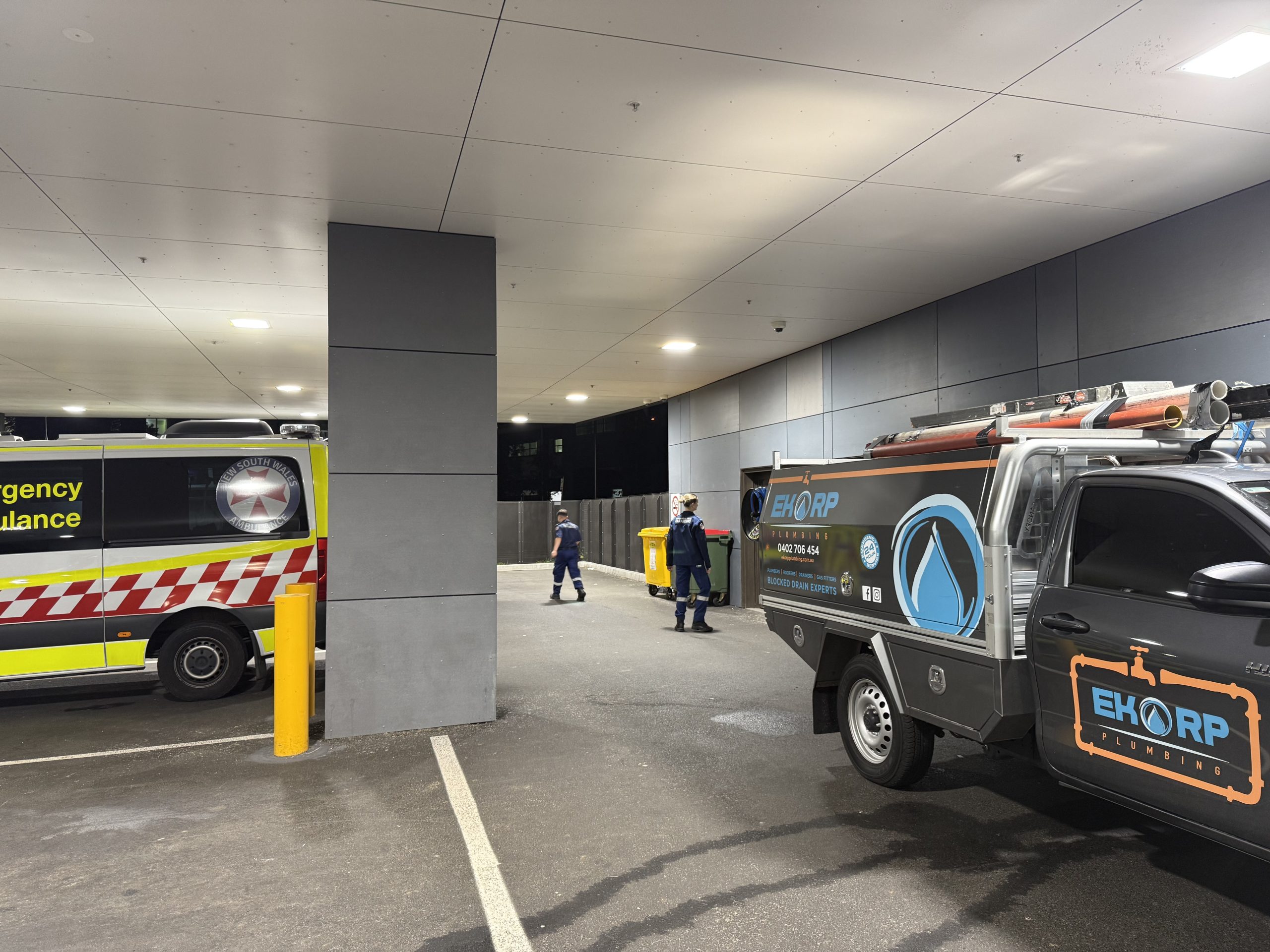
All EKORP gas plumbers hold current NSW gas fitting licences and are covered by full public liability insurance. Licence number 322223C is verifiable through NSW Fair Trading at any time.
Master Plumbers

Master Plumbers

We are accredited members of the Master Plumbers Association, which requires consistent compliance with Australian Standards and ongoing professional development across our entire team.
5-Star Reviews

5-Star Reviews

Our Google rating reflects consistent feedback from homeowners across Hurstville, Kogarah, Miranda and surrounding suburbs who trusted us with their gas emergencies. Reliable workmanship earns repeat business.
No Fix, No Fee

No Fix, No Fee

If we cannot resolve your gas leak problem, you do not pay. We do not charge for outcomes we have not delivered.

Explore More Services

Other Residential Services

Emergency Plumbing St George
24/7 emergency plumbers in St George. Burst pipes, blocked drains, gas leaks, hot water out. $0 callout, 60-min response. Lic 322223C. Call 02 8667 5354.
Phone